
Septic Program
The Onsite Program helps protect public health and the environment by guiding safe wastewater disposal, proper septic system installation, and ongoing oversight throughout Southeastern Idaho.
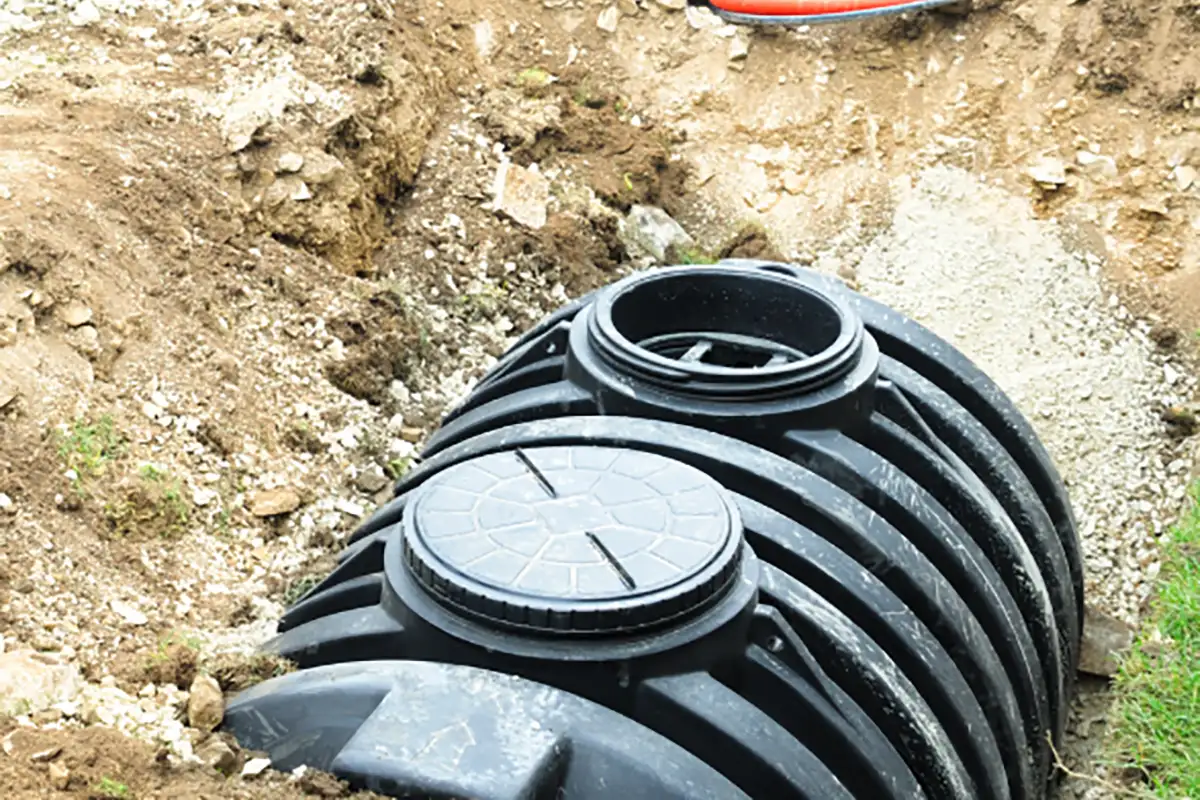
What are the basic tasks performed in the Onsite Program?
- Environmental Health Specialists (EHS) help protect public health and the environment by educating homeowners on best practices for wastewater disposal and septic system requirements.
- EHS provide guidance on septic system installation based on Idaho rules, technical guidance, and local requirements.
- EHS ensure septic systems are installed at safe distances from drinking water wells, streams, lakes, and groundwater to help prevent contamination.
- Site and soil evaluations are performed to determine the soil absorption capacity and the appropriate system type, size, and drainfield depth.
- Applications, plot plans, proof of ownership, and fees are reviewed before permits are issued for tanks and drainfields.
- Licensed installers complete most systems, and once a system is installed, EHS inspect it to verify it meets the Conditions of Approval before final documentation is filed.
How does this program serve and benefit individuals and communities?
Septic systems treat household wastewater, including both blackwater and graywater. Properly installed and functioning systems help remove harmful bacteria, viruses, fungi, and nutrients that could otherwise contaminate soil, groundwater, surface water, and local ecosystems.
Wastewater is treated by separating solids from liquids, then further processing the liquid through natural soil filtration. This helps reduce the risk of public health hazards and supports the protection of Idaho’s valuable water resources.
- Water Protection: Proper septic system placement and treatment help protect groundwater, streams, lakes, and drinking water sources.
- Disease Prevention: Effective wastewater treatment reduces exposure to bacteria, viruses, and parasites that can spread through contaminated water.
- Environmental Stewardship: Safe disposal helps reduce harmful nutrient pollution and supports healthier local ecosystems.
- Community Health: Strong oversight helps protect both individual households and the broader public from preventable wastewater-related health risks.
What would happen without this program?
If septic systems were not regulated, public health risks would be significant. Sewage and effluent could contaminate water used for drinking and recreation, increasing the spread of diseases such as typhoid, gastroenteritis, cholera, and hepatitis A.
- Greater contamination risk to private wells, groundwater, and surface water
- Increased spread of bacteria, viruses, and parasites through untreated or poorly treated wastewater
- Higher risk of disease transmission tied to unsafe wastewater disposal
- Reduced protection for communities and natural water resources
What is the most important thing for people to understand?
The Onsite Program exists to protect both individuals and communities through prevention. Preventing potentially harmful substances from polluting water is one of the best ways to protect human health and preserve valuable environmental resources.
The program also helps regulate wastewater disposal while educating the public about the risks and long-term consequences of unsafe sewage practices.