Extreme Weather Preparedness
What is Extreme Cold
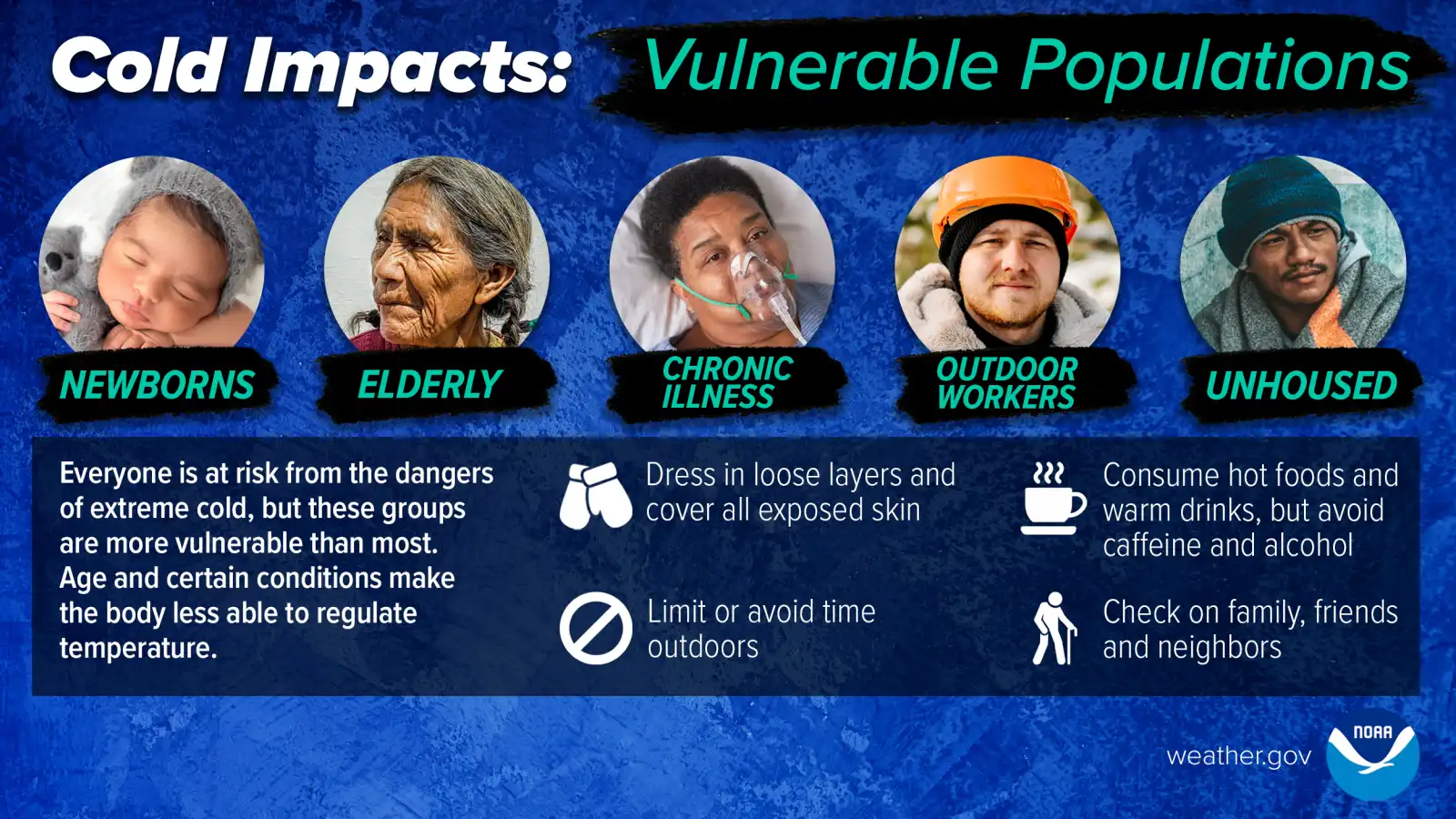
According to the National Weather Service (NWS), extreme cold in the Northern US Regions are temperatures “well below zero,” taking into account wind chill. Extreme cold conditions present an elevated risk to vulnerable populations.
Major Health Concerns of Extreme Cold
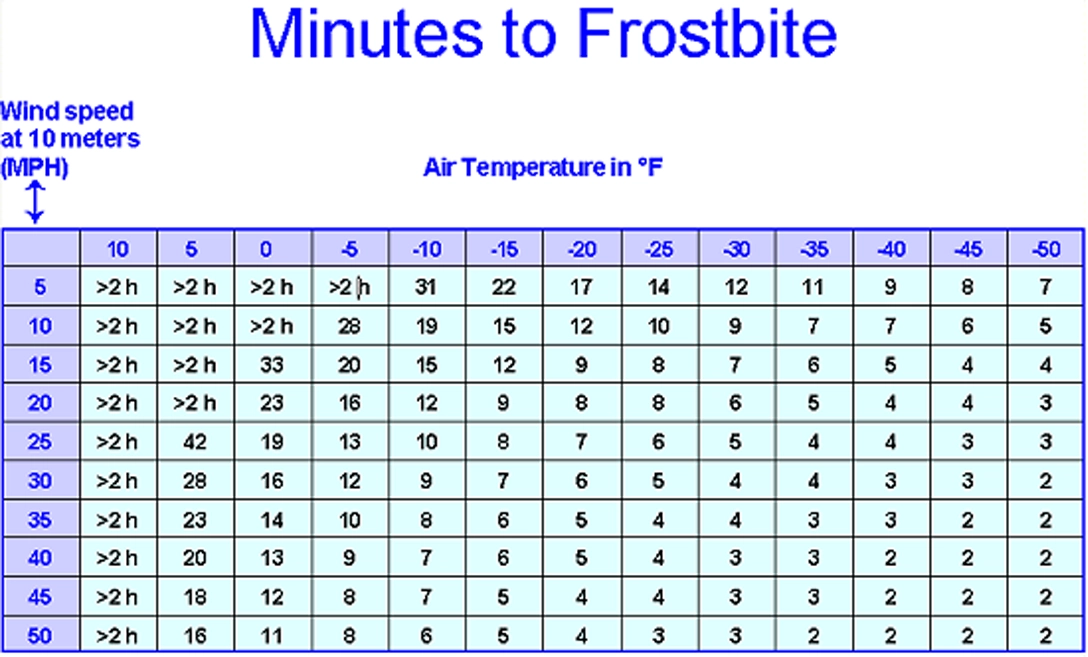
Frostbite: tissue damage caused by extreme cold
- Warning Signs: loss of feeling and a white or pale appearance in extremities, such as fingers, toes, ear lobes or the tip of the nose. If symptoms are detected, get medical help immediately!
- Actions: Go to a warm room. Soak in warm water. Use body heat to warm. Do not massage or use a heating pad.
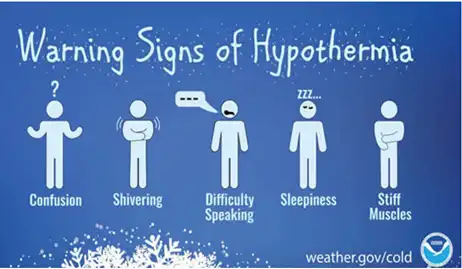
Hypothermia: condition brought on when the body temperature drops to less than 95°F
- Warning Signs: uncontrollable shivering, memory loss, disorientation, incoherence, slurred speech, drowsiness and apparent exhaustion. Take the person’s temperature. If below 95°F, seek medical care immediately!
- Actions: Go to a warm room. Warm the center of the body first—chest, neck, head and groin. Keep dry and wrapped up in warm blankets, including the head and neck.
Monitoring for Extreme Cold
- Phone Weather Apps: All smartphone weather apps report real-time accurate weather conditions. Check your phone and plan for extreme cold accordingly.
- NWS Weather Radar: NWS provides a nation-wide weather radar you can use to check current local, regional, and national weather conditions: weather.gov
Preparing Yourself and Communities for Extreme Cold
Getting your home ready for extreme cold:
- Check insulation, caulking, and weather stripping
- Learn how to keep pipes from freezing here: Preventing & Thawing Frozen Pipes | American Red Cross
- Need help with heating costs? You may apply for aid through The Low Income Home Energy Assistance Program (LIHEAP): Get help with energy bills | USAGov
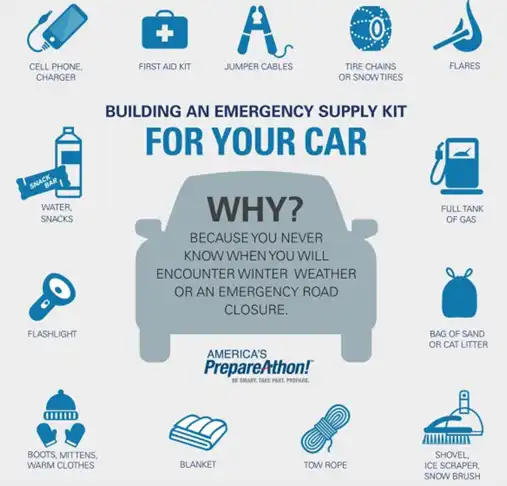
Create an extreme cold car kit
Items to include:
- Phone charger
- First aid kit
- Jumper cables
- Tire chains/snow tires
- Flares
- Potable water and nonperishable snacks
- Flashlight
- Blankets and warm clothes
- Tow rope
- Shovel, ice scraper, snow brush
- Sand and/or cat litter
- Full tank of gas